
Contents Overview
Replicates Versus Repeated Measurements
A replicate is a complete, independent repetition of a treatment combination: the factors are reset and the run is performed again. A repeated measurement measures the same unit several times.
Repeated measurements describe the measuring system. Replicates describe the variation between runs, which is what effects must be compared against.
Key Principle
The effect of one factor may depend on the level of another.
Estimating Pure Error
When each combination is run more than once, the differences between replicates give an estimate of pure error. This estimate is the yardstick used to decide whether a calculated effect is distinguishable from noise.
Unreplicated designs have to rely on assumptions, such as treating higher-order interactions as negligible, to obtain any estimate of error.
Checking the Measurement System First
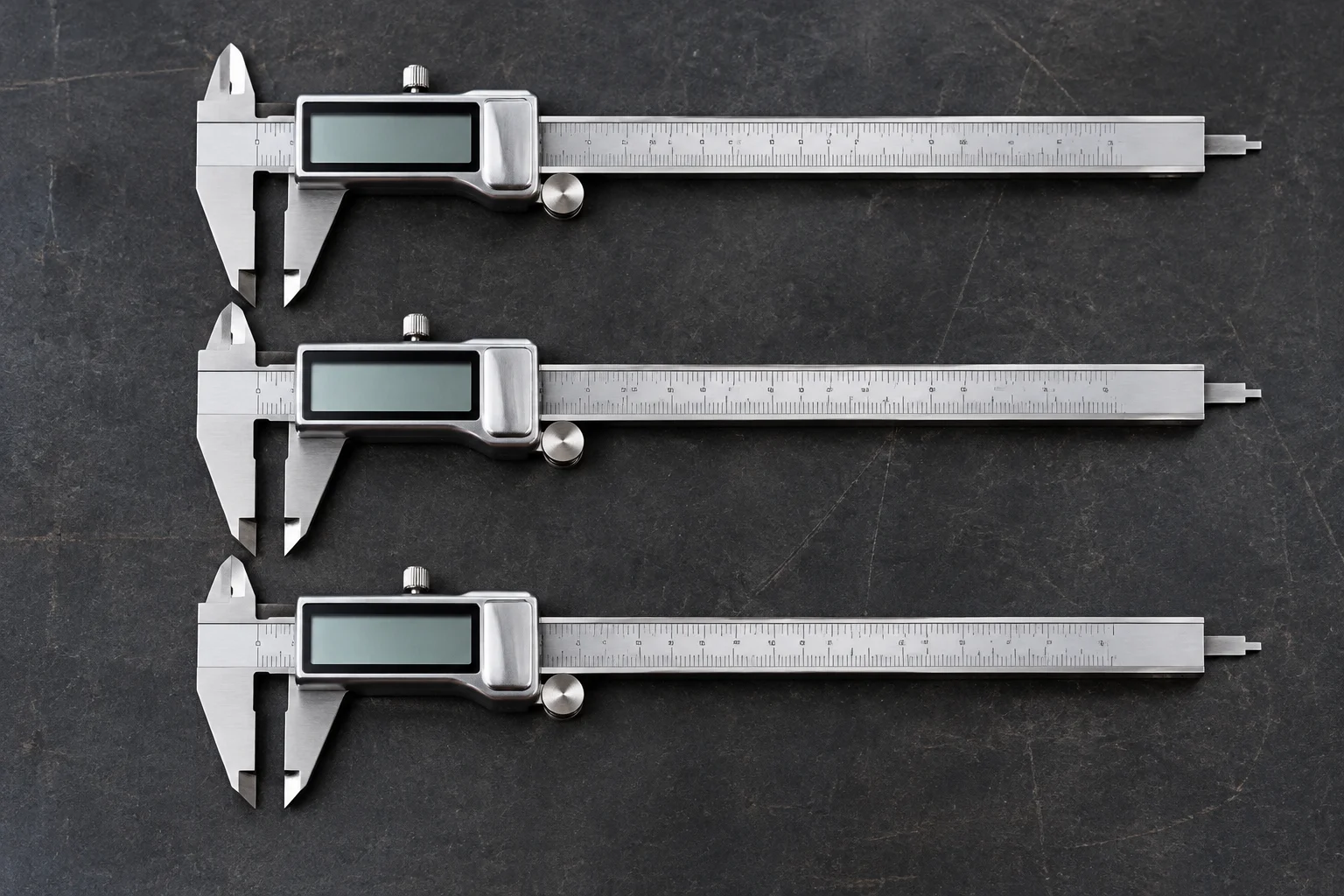
If the gauge itself varies a lot, real effects can be hidden. A short measurement system study before the experiment shows whether the instrument can detect changes of the size that matter.
Record replicate results as separate rows rather than averaging them before analysis, so the variation remains visible.
Key Takeaways
- Replicates repeat the whole run; repeated measurements repeat the reading.
- Pure error from replicates is the basis for judging effects.
- Verify the measurement system before relying on small effects.